ETHNOCULTURAL MONOGRAPH 04

The Giáy: Harmony of the Highland Valleys

Masters of the fertile basins and high-altitude valleys of Ha Giang, the Giáy people weave a narrative of settlement that predates modern borders—a history etched into the soil they till.

SCROLL TO EXPLORE

AB6AXuCBWA8XgxFbinqvBdmLf5coZbke-HSPXe2wpoBzfNCnK8YLGBNQJzbR0lRfp9lR1fsRDPYYMffpWeK7CxQb7ndpgco4QpvjxX-2an0NKVTNeJBUwWWGGq7wf24K79NHCeRUfAe-TqPff_1wvX84mHTpUGtlSxHa5bmbg9qdJo-NVSgb_g35WT6O5_yGguHrmMtaYP_KPYfrloUQDmZL_punsleJkaDiPdyb6K0szpBI9h5Ihw_4C75LitSHgqCmndHepS-kf9syEEle

HISTORICAL ROOTS

Guardians of the Valleys

Unlike many ethnic groups who sought the highest peaks for defense, the Giáy settled primarily in the deep, fertile valleys. Their villages are strategic nodes of agriculture and community, positioned where the mountain springs collect into rivers. Their history is one of movement from the north, bringing with them a sophisticated understanding of aquatic management and valley microclimates.
38K+

POPULATION IN HA GIANG

XVII c.

ARRIVAL IN HIGHLANDS

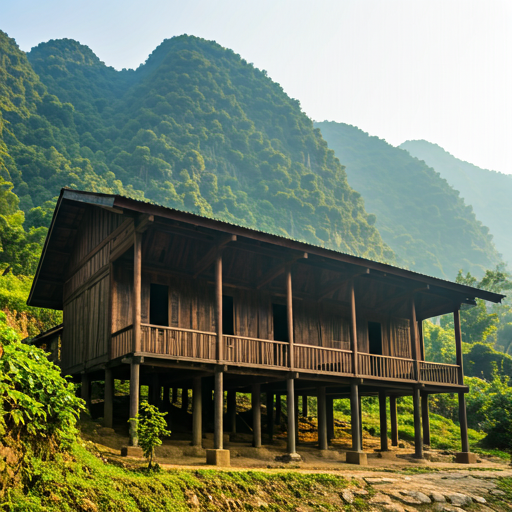
The Stilt House Tradition:

Architecture of the Slopes

AB6AXuAwiCp8SQ5BbH2bdkCbcac5U69updNaW1Zn713GZuKDCZ_5ikANk_IWs8QZhyA8KT6s44qavPjU-LKGsYZCM_X9Dgqn6htYmMB1v-wKPgtqsF2LLrlTFuB01wyKkOmhKfDEnOM-mnhgOFt51x3vbIhbToQHd7e-r3OXEIN1vobkGhwm4S61Br6ieoWrxH_1L-2CFSKWIVkRK5fj_mBwT4FXf7SdfkVyR3ESl5Qi9yKuvHtilBdk5hdZUMnpRLq29uzblCYI94c0yE4o

The Tonal Foundation

Built from ironwood and bamboo, raised above the damp valley floor to withstand the highland seasons.

Structural Balance

The Giáy house is a marvel of joinery. Eschewing metal nails for intricate dovetails, these structures flex with the subtle shifts of the mountain slopes, standing for generations as living monuments to communal labor and ancestral wisdom.

AGRICULTURAL MASTERY

Life in the Lowlands

Mastery of water defines the Giáy existence. They pioneered complex irrigation systems using bamboo pipes to divert mountain streams into their valley terraces, turning the "lowlands" into a lush, evergreen pantry.

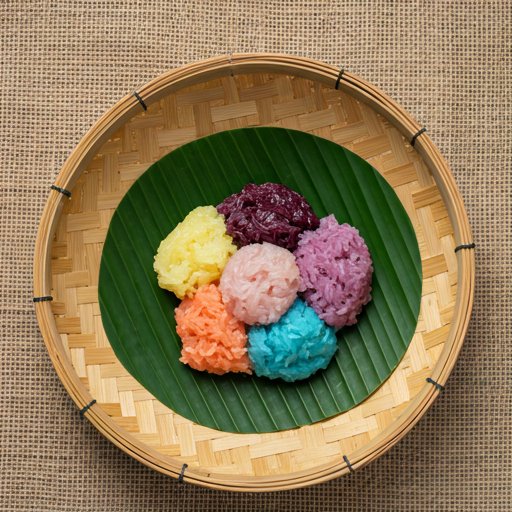
Five-Colored Sticky Rice

A culinary ritual symbolizing the elements. Natural dyes from mountain leaves create a spectrum of purple, red, yellow, and green, steamed in bamboo and served at every major life milestone.

AB6AXuChJgcrzbbAnYM_veXZK-72Vt02MVb6JuA0sL-jNd5rS2tBTer_1ru8IS8zp4ZwWwnkrPatYGPjuTpWH1g47RLatVIQDT-dZlJz3Sj2-J6O5wviMRKQiekIGDy0XoH-16Ln2LZD_kdAeqkz5iSZ75JtD9rEnfPdqC39MUlbWwKaCP9QNnXbLWl6jX1-85ww1nhrnPRqDM1DPSUaTS1mKX6obh09C8hpBRG2OJSYiBPKmHcZoaUTrEIHUydDJ2_OJuD_j7qLlFYfjUPO

THE SONIC LANDSCAPE

‘Vê lìn’ Singing:

The Spiritual Bridge

01

RITUAL CONTEXT

Performed during weddings and festivals, Vê lìn connects the mortal realm to the ancestral spirits of the valley, ensuring prosperity for the harvest.

02

CALL & RESPONSE

A polyphonic tradition where groups exchange verses, often improvised to reflect the specific joys or struggles of the local community.

03

PRESERVATION

Oral transmission remains the primary method of passing down the thousand- verse repertoire of Giáy folklore to younger generations.

AB6AXuC_XMbZQZcj2VnOTksBMehHxx8ACnISbzHTH6v-Q5Vo3fwuYi4Gt_xrnYgYdsbM7ulMELmOYC_Hos4_pkxf0YWiK9T9xRdmGpZFV8nf8K54u-l-1NloqqQFXXC3we3LPzceIWF4QW-tNXQo0JXc2igZovkPHO9F1d_fSRph7vRyMNcLT5K97aUNSouehMvh9DHhnq_L6keciyjHpyY8TQtdyZCNn0TrOI7p3JM7jHe-pZ4FK28osublgygxp_NHEfR7mSJL_qKpZYES

TEXTILE IDENTITY

The Art of Weaving & Craftsmanship

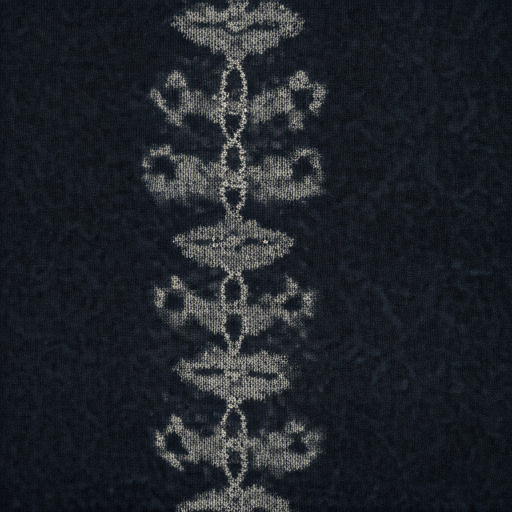
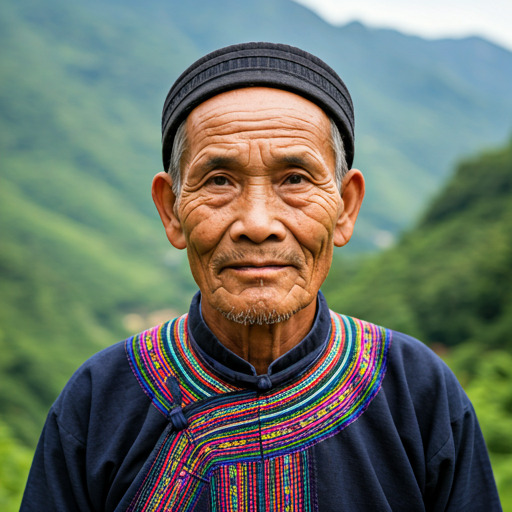
The Giáy aesthetic is defined by its restraint. Unlike the maximalist embroidery of neighboring groups, the Giáy favor deep indigo canvases accented by thin, vibrant bands of silk at the collar and cuffs—a visual language of understated elegance.

MOUNTAIN INDIGO

Fermented for weeks in stone vats using wild indigo leaves to achieve a near-black depth of color.

SILK HEMMING

Multi-colored silk threads woven into protective borders for the neck and sleeves, signifying marital status and lineage.

KNOWLEDGE BASE

Research & Resources

ORAL HISTORY

The Migration from Yunnan: 19th Century Transcripts

FIELD REPORTS

Irrigation Patterns of the Quan Ba Valley

VISUAL ARCHIVE

Monochrome Gallery: Giáy Architecture 1920- 1950

LINGUISTICS

Tai-Kadai Dialects in High-Altitude Ha Giang